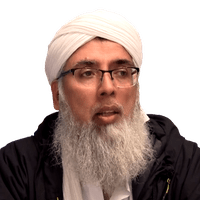
(Academic Director, Al Balagh Academy)
Shaykh Dr Rafaqat Rashid:
Short Bio
Shaykh Dr Rafāqat Rashid is a distinguished traditional Shariʿah scholar, General Practitioner, and Academic Director at Al Balagh Academy. He co-founded Al Balagh and serves as Course Director for its flagship international medical fiqh and takhassus programmes. With over a decade of experience teaching advanced Dars al-Niẓāmī curricula at JKN Institute and Al Balagh Academy, he is also a senior member of the JKN Fatāwā department, specialising in Islamic medical ethics and bioethics.
He holds a Master’s degree in Islamic Bioethics from the University of Manchester, is an Honorary Lecturer at the University of Leeds, and has authored and contributed to numerous scholarly publications. His teaching spans core Islamic disciplines including Ḥadīth, Tafsīr, Usūl al-Fiqh, Balāgha, and more, and he is actively authoring Arabic texts for scholars and students.
Full Biography
Academic and Professional Background
Shaykh Dr Rafāqat Rashid is a traditional Shariʿah scholar and a qualified General Practitioner (GP) with extensive experience as an academic and educator. He is the co-founder and Academic Director of Al Balagh Academy and serves as Course Director for many of its signature programmes, particularly the international medical fiqh courses and specialised takhassus tracks for ʿulamāʾ, which have attracted hundreds of students globally.
Teaching and Curriculum Development
For over a decade, he has been a senior lecturer at both Al Balagh Academy and JKN Institute (Bradford, UK), where he has developed and led the delivery of advanced Dars al-Niẓāmī courses in both Arabic and English. His efforts have helped shape a new generation of scholars trained in traditional Islamic sciences contextualised for the modern world.
Fatwa Work and Islamic Medical Ethics
Shaykh Dr Rafāqat has played a key role in the JKN Fatāwā department for more than ten years. Under the guidance of Shaykh Mufti Saiful Islam and other scholars, he has received rigorous training in Iftāʾ and regularly responds to queries concerning Islamic medical jurisprudence and bioethics. He has contributed to the official compilation of medical fatāwā published by JKN and leads the Islamic medical ethics research at Al Balagh’s Sharīʿah department.
Academic Research and Publications
He holds a Master’s degree from the University of Manchester, where his research focused on Muslim scholarly perspectives on organ transplantation. He is also an Honorary Lecturer at the University of Leeds. Shaykh Dr Rafāqat has contributed peer-reviewed chapters and journal articles on Islamic bioethics, medical law, and Sharīʿah, and regularly presents at international academic conferences.
Teaching Portfolio
Over the years, he has taught a wide range of classical Islamic texts across multiple disciplines. These include:
-
Ḥadīth: Ṣaḥīḥ al-Bukhārī, Ṣaḥīḥ Muslim, Sunan al-Nasāʾī, Mishkāt al-Maṣābīḥ (with Mirqāt al-Mafātīḥ)
-
Tafsīr: Tafsīr al-Jalālayn, Tafsīr al-Qurṭubī, Rūḥ al-Maʿānī
-
Usūl al-Tafsīr: al-Itqān, al-Fawz al-Kabīr
-
Usūl al-Ḥadīth: Nuzhat al-Naẓar Sharḥ Nukhbat al-Fikr
-
Fiqh and Usūl al-Fiqh: His primary area of expertise
-
Balāgha, Manṭiq, and Arabic Grammar
Scholarly Credentials and Authorship
Shaykh Dr Rafāqat has received ijāza from several leading scholars in the UK and abroad. He is currently authoring Arabic textbooks in ʿUlūm al-Qurʾān, ʿUlūm al-Ḥadīth, Usūl al-Fiqh, and ʿIlm al-Balāgha, aimed at advanced students and scholars. His scholarly contributions continue to support Islamic education and guidance worldwide.