
Al Balagh Academy
Online Masterclass Series
The Flood of Nuh (AS): Qur’an, Bible, History, and Modern Doubts
A careful, in-depth study of the Flood of Nuh (AS), addressing scripture, history, archaeology, and modern doubts with intellectual clarity.
Offered as part of Al Balagh Academy’s Ramadan Donation Campaign, the course fee is treated as a donation to preserve and share Prophetic knowledge worldwide.
Count Every Second Until The Masterclass.
Day(s)
:
Hour(s)
:
Minute(s)
:
Second(s)
About

Questions surrounding the Flood of Nuh (AS) are no longer abstract or theoretical—they are increasingly raised in classrooms, online discussions, and everyday conversations.
Often framed through claims of myth, scientific impossibility, or borrowed scripture, these questions leave many Muslims uncertain about how to respond clearly and responsibly.
The Flood of Nuh (AS): Qur’an, Bible, History, and Modern Doubts course provides a focused, Qur’an-centred study of the Flood of Nuh (AS), examining how the Qur’an presents this event, how it differs from Biblical and ancient Near Eastern flood narratives, and how Muslims can approach historical, archaeological, and modern critical questions with clarity, confidence, and intellectual restraint.
Duration
1 Month
Video Recordings
Available for Paid LMS Students
Mobile App Access
Available for Paid LMS Students
Format
3 Hours Live Online Course
Live Sessions
4 sessions
Live Q&A
Interactive discussion session
Assessment
1 Main Graded Exam
Certificate
Digital Certificate (Paid LMS Students)
In the blessed month of Ramadan,
This course is offered as part of Al Balagh Academy’s Ramadan Donation Campaign.
The course fee will be treated as a donation, supporting the Academy’s ongoing work
in delivering authentic and accessible Islamic education.
Participants are encouraged to enrol with the intention of seeking Prophetic knowledge
while contributing towards its preservation and dissemination, sharing in its reward
during this blessed month.
Those who wish to further support Al Balagh Academy through their Sadaqah or Zakāh
may also donate at
Support Al Balagh
.
LISTEN TO THE
Event Speakers
Ustadh Sharif Randhawa
(Researcher and author, Bayyinah Institute & the Centre for the Advanced Study of the Quran and its Interpretation)
LISTEN TO THE
Event Speakers

Ustadh Sharif Randhawa
(Researcher and author, Bayyinah Institute & the Centre for the Advanced Study of the Quran and its Interpretation)
Introduction
The Flood of Nuh (AS) is among the most widely known yet most frequently questioned narratives in sacred history. Appearing across the Qur’an, the Bible, and the traditions of ancient civilisations, it is often discussed today through inherited assumptions, selective readings, or modern frameworks that do not reflect how sacred texts themselves communicate meaning.
In contemporary discourse, the Flood is frequently reduced to a single question of scientific plausibility or dismissed as myth, without careful attention to the Qur’an’s purpose, language, and method of narration. This has led to confusion, unnecessary doubt, and at times an overreliance on speculative or fragile explanations that neither reflect classical Islamic scholarship nor withstand critical scrutiny.
The Flood of Nuh (AS): Qur’an, Bible, History, and Modern Doubts course is designed to address these challenges through a Qur’an-centred and methodologically grounded study of the Flood of Nuh (AS). Rather than approaching the topic polemically or defensively, it carefully examines how the Qur’an frames the Flood narrative, what it affirms, and what it leaves open. The course also explores the Flood in its wider context, including Biblical accounts and ancient flood traditions, highlighting both shared elements and critical theological differences.
Historical, archaeological, and scientific discussions are addressed with balance and caution, clarifying what such evidence can and cannot establish, and why the absence of certainty in certain details does not undermine the Qur’anic narrative. In addition, the course places strong emphasis on intellectual empowerment, guiding participants on how to distinguish Qur’anic text from later interpretations and inherited material, and how to engage modern doubts thoughtfully—without overclaiming, oversimplifying, or compromising scholarly integrity. The aim is to cultivate clarity, confidence, and restraint when engaging with one of the most debated narratives in religious history.
#Audience
Who Should Attend?
This masterclass is designed for:
- Students of Islamic studies seeking a deeper and more methodologically sound understanding of prophetic history.
- Muslims encountering doubts or questions about the Flood of Nuh (AS) in academic, social, or online spaces.
- Daʿwah workers, educators, and community leaders who wish to address sensitive questions responsibly.
- University students studying religion, history, philosophy, or related fields.
- Thoughtful learners interested in engaging sacred narratives with intellectual integrity and depth.
#Objectives
Programme Objectives
By the end of the course, participants will:
- Develop a clear understanding of how the Qur’an presents the Flood of Nuh (AS) and the purpose of this narrative.
- Understand the relationship between the Qur’anic account, the Biblical Flood narrative, and ancient flood traditions.
- Learn how classical Muslim scholars approached questions of scope, extent, and interpretation of the Flood.
- Gain clarity on historical, archaeological, and scientific discussions related to the Flood and their limitations.
- Build the ability to engage responsibly with modern doubts and misconceptions surrounding Nuh (AS) and the Flood.
#OUTCOMES
Learning Outcomes
After completing this masterclass, participants will be able to:
- Distinguish between Qur’anic text, classical tafsīr, and later inherited narratives related to the Flood.
- Explain key similarities and differences between the Qur’anic and Biblical Flood accounts and their theological implications.
- Assess historical and archaeological claims about the Flood with intellectual balance and caution.
- Identify common flawed assumptions and misconceptions about the Flood and its historicity.
- Respond to questions and doubts about the Flood of Nuh (AS) with clarity, confidence, and scholarly restraint.
AL BALAGH SESSION SCHEDULE
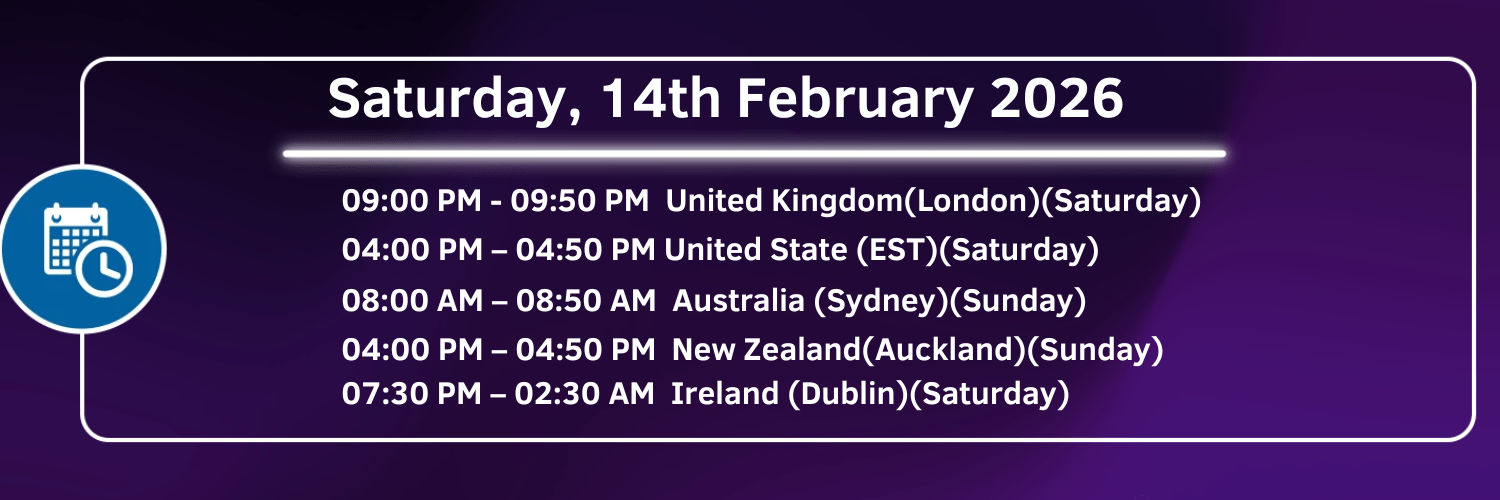
14th February 2026
Saturday | 09:00 PM – 09:50 PM UK
Myth, History, or Revelation? — How the Flood Is Meant to Be Understood
- History vs myth vs legend vs prehistory: defining terms clearly.
- How ancient sacred narratives convey meaning beyond chronology.
- How the Qur’an frames historical narratives and accounts of the unseen.
- Common category mistakes that create confusion and doubt.
One Flood, Many Stories — Qur’an, Bible, and Ancient Memory
- Ancient flood traditions and shared cultural memory (ancient Near East).
- The Biblical Flood: purpose, concerns, and theological aims.
- The Qur’anic Flood as a punishment narrative and moral warning.
- Similarities, differences, and why they matter.
How Big Was the Flood? — Scope, Evidence, and Scholarly Debate
- Global vs regional flood: what the Qur’an states and what it does not specify.
- Demographic vs geographical scope: why the distinction matters.
- Classical scholarly diversity on extent and interpretation.
- Distinguishing Qur’an, tafsīr, and inherited narratives (isrā’īliyyāt).
“Is It Even True?” — Responding to Doubts About Flood and Nuh (AS)
- Common modern objections: “myth”, “science disproves it”, “borrowed scripture”.
- Archaeology and science: what evidence can and cannot establish.
- Nuh (AS) as a historical figure: speaking responsibly without fragile arguments.
- Practical response framework: daʿwah, academic settings, online discourse.
AL BALAGH SESSION SCHEDULE
14th February 2026
Saturday | 09:00 PM – 09:50 PM UK
- History vs myth vs legend vs prehistory: defining terms clearly.
- How ancient sacred narratives convey meaning beyond chronology.
- How the Qur’an frames historical narratives and accounts of the unseen.
- Common category mistakes that create confusion and doubt.
- Ancient flood traditions and shared cultural memory (ancient Near East).
- The Biblical Flood: purpose, concerns, and theological aims.
- The Qur’anic Flood as a punishment narrative and moral warning.
- Similarities, differences, and why they matter.
- Global vs regional flood: what the Qur’an states and what it does not specify.
- Demographic vs geographical scope: why the distinction matters.
- Classical scholarly diversity on extent and interpretation.
- Distinguishing Qur’an, tafsīr, and inherited narratives (isrā’īliyyāt).
- Common modern objections: “myth”, “science disproves it”, “borrowed scripture”.
- Archaeology and science: what evidence can and cannot establish.
- Nuh (AS) as a historical figure: speaking responsibly without fragile arguments.
- Practical response framework: daʿwah, academic settings, online discourse.
Register Your Interest
Explore Relevant Courses

Testimonials
Contact Us
With a transformational and ambitious vision to be the Global Islamic knowledge
Al Balagh Academy © 2026. All Rights Reserved.