The Fiqh Of Halal Food – Level 1
A structured study of key Islamic rulings on halal and haram — covering ingredients, processing, slaughter, medicine, cosmetics, certification, and global food systems — grounded in classical texts and contemporary realities.
About The Course
Al Balagh Academy is offering an exclusive course on the Fiqh of Halal Food. This course provides the students with an in-depth understanding of Islamic rulings related to Halal and Haram Food in the contemporary world. It will cover everything from the fundamentals of Islamic dietary laws to contemporary issues and challenges faced by the Muslim communities around the world, arising from the halal food industry.
Course Team

Mufti Muhammad ibn Adam al-Kawthari

Mufti Sarfraz Mohammed

Mufti Abdullah Nana

Dr Awal Fuseini

Shaykh Yunus Dudhwala
(Chair, Halal Monitoring Committee, HMC)

13 Online Live Sessions

Duration: 3+ Months

Sundays, 4:00 PM - 5:00 PM (London, UK)

Videos Access for 1 Year

Mobile App

Live Q&A

Digital Certificate
Enrol Now
Starts on 30th November 2025
Course Fee: Free
Registration Deadline:
29th November 2025
Share This Course:


Sessions


Course Overview
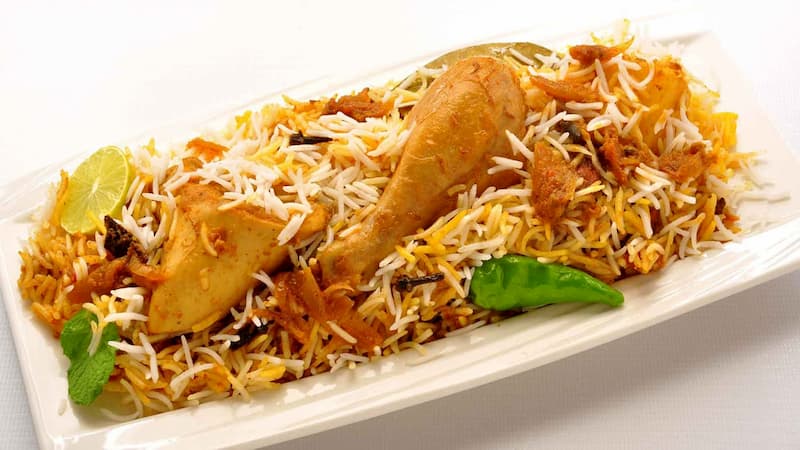
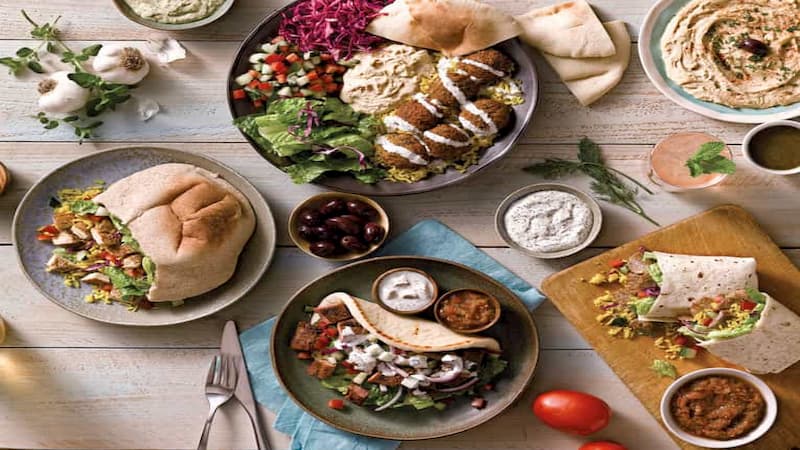
The Fiqh of Halal Food online course by Al Balagh Academy aims to provide the students with an in-depth understanding of Islamic rulings related to Halal and Haram Food in the contemporary world. This course will cover the fundamentals of Islamic Dietary Law to address the current issues and challenges confronted by the Muslim communities, arising from the Halal food industry.
The course will examine significant subjects such as food additives in food processing, Halal and Haram ingredients, Halal slaughtering process, Halal and Haram medicines, Halal cosmetics and Halal certification. This course will enable students to engage with, and respond to the contemporary issues and challenges faced by Muslim communities living in the multicultural and multi-faith societies—a guide for them to consume authentic Halal food.
Course Aims and Objectives
The course will seek to teach students:
- Develop an in-depth understanding of Islamic rulings related to Halal and Haram food, Medicine and cosmetics in a contemporary context.
- Offer opportunities for those who are working in the food industry and those interested in the Islamic rulings on Halal food to apply the knowledge in their workplace.
- Educate Shari’ah Scholars on the contemporary issues prevalent in Halal food industry and the implementation of Islamic rulings in its context.
- Provide the practical Islamic guidelines focused on the modern issues such as E-Numbers, Gelatine, genetically modified foods (GMF), use of stunning in slaughtering, using Haram Medicine and Halal certification.
- Discuss Islamic narratives on some of the challenging concepts such as hygiene, animal welfare and food quality.
- Provide a forum and interpersonal contact between Shari’ah Scholars (Ulamaa), professionals working in the food industry, research scholars and those engaged with Halal certification bodies in order to build a network of support and resource for the future.
Learning Outcomes
By The End Of This Course, Students Can:
- Attain the knowledge and practical skills that will make them better-informed about Islamic perspectives and Fatawas on halal and haram food, medicine and cosmetics.
- Describe the concept of halal & haram in Islam and explain with examples of halal food and non-halal food.
- Understand the sources of the laws & objectives of Islamic shari’ah, describe principles of halal and haram in Islam and apply the knowledge in the halal industry.
- Explain and discuss non-halal issues related to food additives
- Describe examples of halal ingredients and non-halal ingredients that are used in the food industry.
- Distinguish the types of Najs and explain the fundamental customs, and cleansing during the processing.
- Interpret the halal slaughtering concept precisely and discuss its pillars & requirements for application in food production.
- Identify and distinguish the corrupt practices prevalent in the Halal food industry and explain the authentic and accepted Islamic rulings and Fatawa.
- Understand the Halal Food Chain and the quality system of food processing and production
- Learn the various methods of tractability and authentication of halal and haram materials used in the food processing industry.
Explore Relevant Courses
Philosophy of Science

Fiqh de la prière et de la purification
Fiqh Of Menstruation
Testimonials
Frequently Asked Questions
Are Al Balagh courses recognised or accredited?
How is this online course structured?
Are the course structure, content, and schedule guaranteed to remain the same?
Every effort has been made to ensure the accuracy of our published course information. However, our programmes are subject to ongoing review and development. Changing circumstances may cause alteration to, or the cancellation of, courses. Changes may be necessary to comply with the requirements of relevant bodies or revisions to subject benchmark statements. We may also make changes to keep courses updated and contemporary, or as a result of student feedback. We reserve the right to make variations if we consider such action to be necessary or in the best interests of students.
When will I have access to the online course material?
Will I get notification for live sessions?
Is it mandatory to attend live sessions?
I missed a live session. Can I get the video recordings?
Can I download the video recordings on my device (Desktop/Laptop/Mobile/Tab)?
What is the process for reaching out to the instructor?
( Please note, they often have demanding schedules and may not always be able to address individual queries. We encourage you to attend live sessions and utilize the Q&A period for questions. For queries post-lecture, feel free to contact our administrators, and we will do our best to assist. Responses from instructors will depend on their availability. Thank you for your understanding.)
When will the final exam be held?
I have doubts but I cannot attend the live session. Any other way to ask my questions?
How do I interact with my classmates?
Joining the group will allow you to connect with fellow course students for discussions and updates.
How long will I have access to the free online course(s)?
I am facing trouble signing into the “ILM” Online Student portal. What should I do?
How can I apply for the Al Balagh Scholarship?
What is the course grading policy?
- Weekly Assessment Exams (60% of total points): Throughout the course, you will encounter approximately 5-6 online objective assessments aimed at testing your understanding and honing your skills. These weekly checkpoints are pivotal in tracking your progress and ensuring you're on the right path.
- Course Final Exam (40% of total points): The culmination of your learning journey is marked by the course final exam. This decisive assessment evaluates your grasp of the entire course content.
- Achieving a score of 40% or above is essential to pass the course. This balanced approach between regular assessments and a comprehensive final exam ensures that you not only retain information but also apply your knowledge effectively.
When can I expect to receive my Certificate of Achievement?
Following successful course completion, you will be eligible to receive your digital certificate of achievement. To be eligible, you must meet the following criteria:
Completion of All Course Modules: Full engagement with all designated course materials, including readings, assignments, and assessments, is mandatory.
Attainment of the Minimum Passing Threshold: A minimum grade of 40% is required to qualify for the certificate of achievement.
Who do I contact if I still have doubts related to my courses ?
📞 Admissions Team( Payment, Scholarships, Enrollment, or information about New Courses):
🚀 Short-Term Course Support (Assessment, Course-related, or IT-Technical issues):
Is there a mobile app for accessing my courses ?
- For Android users: Download from the Google Play Store
- For iOS users: Download from the App Store
Dive into a world of convenient and accessible learning today!