

﷽
Are All Intoxicants Haram? Understanding Mind-Altering Substances in Islamic Law
From khamr to cannabis — Islamic rulings on what clouds the mind, numbs the body, and distorts reality.
By Dr. Rafaqat Rashid
Summary by Al Balagh Academy
Introduction
In an age of increasing drug exposure — from prescription sedatives to herbal highs — Muslims often struggle to navigate what is truly ḥarām when it comes to mind-altering substances. Is caffeine the same as cocaine? Is cannabis merely medicinal? And what about antidepressants or energy boosters? Islamic law offers a structured and deeply principled response rooted in the preservation of intellect (ʿaql) — one of the five maqāṣid of Sharīʿah. Drawing on Shaykh Rafāqat Rashid’s detailed analysis, this article explores the core categories of intoxicants, stimulants, depressants, and narcotics, helping us distinguish between what clouds the senses and what heals the body — all while maintaining spiritual integrity.
1. The Four Categories of Mind-Altering Substances in Islam
Islamic jurists classify mind-altering substances into four distinct categories:
-
Muskir (Intoxicants): Substances like alcohol that cause euphoria and intoxication. These are absolutely ḥarām — even in small amounts.
-
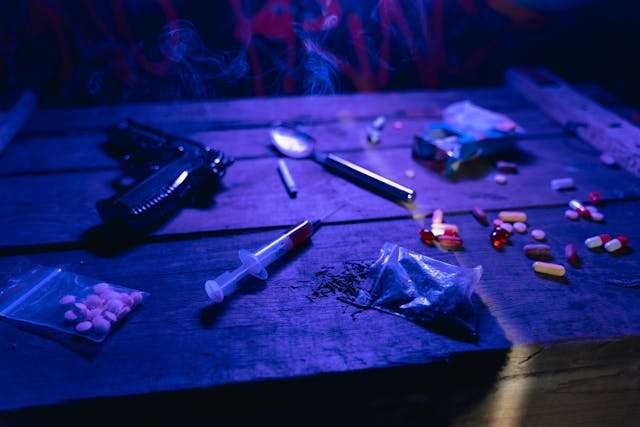
Mukhaddir (Psychoactives): Drugs like cannabis, opioids, and certain hallucinogens that cloud judgment but may not induce classical intoxication.
-
Muraqqad (Depressants): Sedatives and narcotics like sleeping pills or anesthetics that suppress brain function.
-
Mufsid (Corruptive Substances): Poisons or toxic substances that damage physical or mental health, even without direct intoxication.
Each category carries distinct legal rulings, yet all are assessed under the higher principle of protecting mental clarity and bodily integrity.

2. Are Cannabis and Opioids the Same as Alcohol?
While wine and spirits are clearly ḥarām, substances like hashish, morphine, or khat raise unique questions. Classical scholars like Imām al-Qarāfī and Ibn Taymiyyah considered ḥashīsh and opium as mukhaddir, which cause euphoria without full intoxication.
Key distinctions:
-
Khamr (alcohol) impairs judgment with energy and boldness, often leading to sinful acts.
-
Mukhaddir dulls the mind, induces sleep or passivity, and has less immediate outward impact — but is still ḥarām if it alters the mind.
Consensus among later jurists affirmed that any substance affecting the mind or impairing worship is prohibited, even if not classified as “wine.”
3. When Are Sedatives and Antidepressants Permissible?
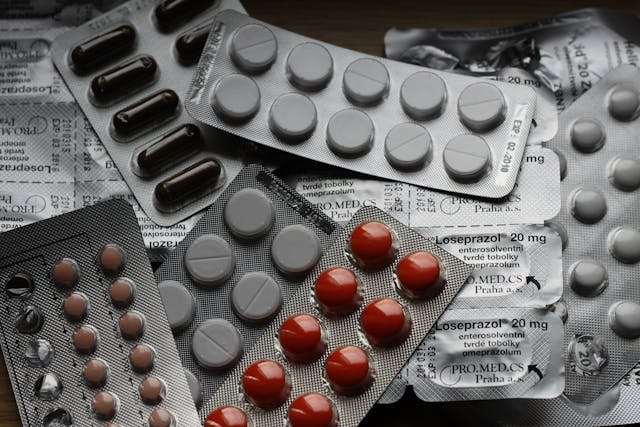
Unlike muskir or mukhaddir, depressants and mood-altering medication like sleeping pills, anaesthetics, or antidepressants may be permissible in therapeutic contexts. The Sharīʿah allows their use if:
-
The dosage does not cloud the mind.
-
The substance is not addictive or misused.
-
The purpose is treatment, not pleasure.
This falls under the broader fiqh principle: “ḥarām becomes permissible under necessity (ḍarūrah).” Still, any substance that renders a person unconscious without need remains ḥarām.
4. Impurity (Najasah) vs. Prohibition (Taḥrīm)
A common misconception is that what is ḥarām must also be physically impure (najis). However:
-
Alcohol (khamr) is both impure and ḥarām.
-
Cannabis or opium are ḥarām but not najis — they don’t invalidate prayer unless consumed.
-
A small amount of a substance may be permissible if it does not cause harm, intoxication, or impurity — especially in medicinal products.
Islamic law considers both the substance and the context when issuing rulings — balancing purity, necessity, and the protection of the intellect.

Conclusion
Islam does not condemn all substances that affect the mood or body. What matters is their effect on the mind, risk of harm, and intended use. Shaykh Rafāqat Rashid’s work revives classical categorizations in light of modern psychoactive trends — reminding us that protecting our ʿaql is not just a legal ruling, but a sacred duty.
📄 Read the full academic article by Dr. Rafaqat Rashid here:
“Islamic Rulings on the Ḥalāl and Ḥarām in Medicine and Food Principles and Applications” (Al Balāgh Academy – Publication Papers)
Please scroll down to view or download the full PDF.
🔗 Learn more about the author: Visit Dr. Rafāqat Rashid’s profile here to explore his academic background, publications, and teaching contributions.
🕌 Presented by: Al Balagh Academy


Explore Relevant Courses
The Fiqh of Ḥalāl and Ḥarām Medication, Prescribing and Pharmacy
The Fiqh Of Halal Food - Level 1 (Self - Paced)